
Kidney Health & Complex Illness
Evidence-informed articles and clinical insights on chronic kidney disease, renal health, complex chronic illness, mould-related illness, nutrition and naturopathic medicine.
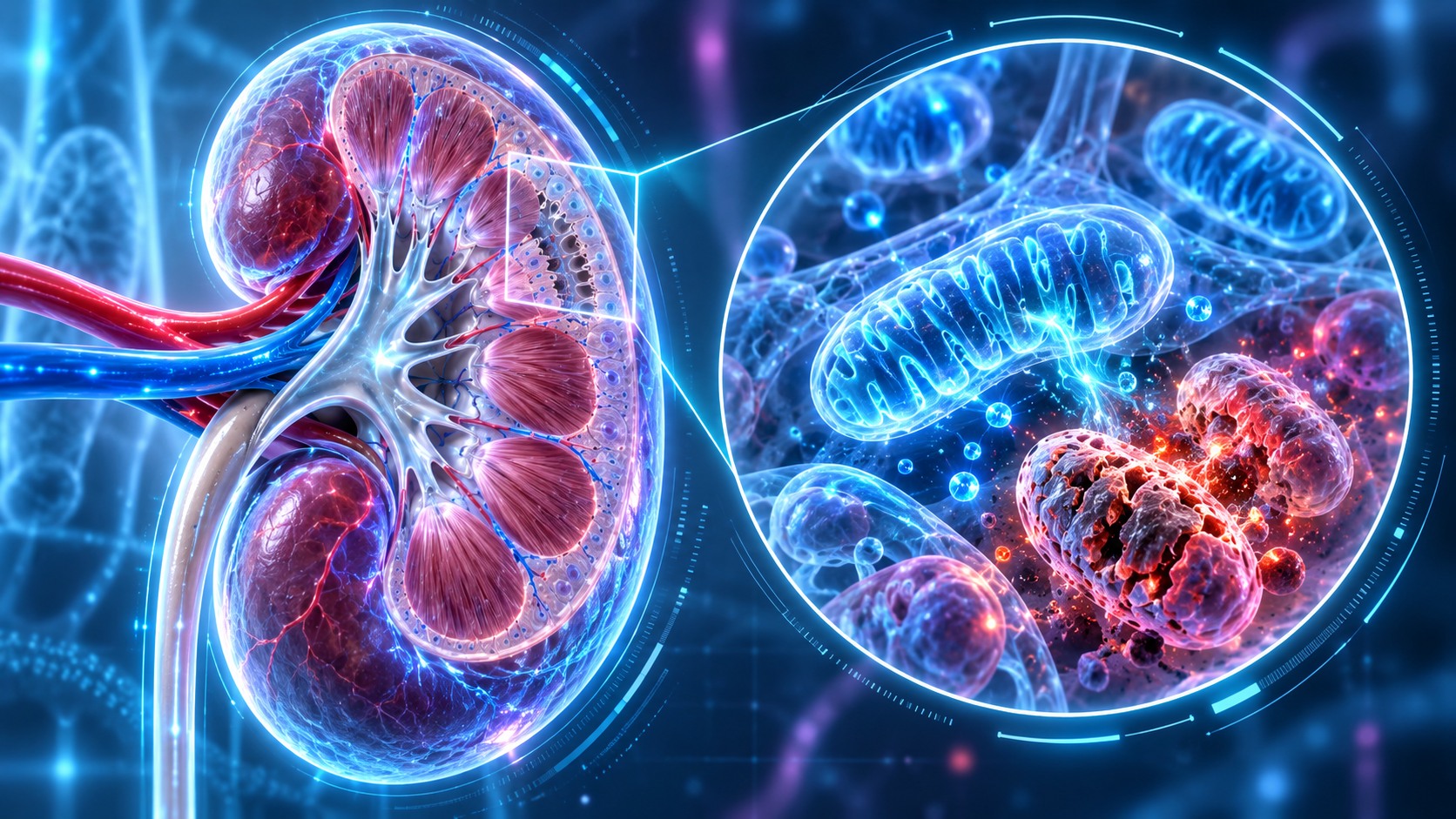
Protecting Kidney Function: The Role of Mitochondria in Chronic Kidney Disease
Mitochondrial dysfunction is emerging as an important factor in chronic kidney disease. This article explores how diet, exercise and selected natural compounds may influence mitochondrial health and complement established strategies for protecting kidney function.
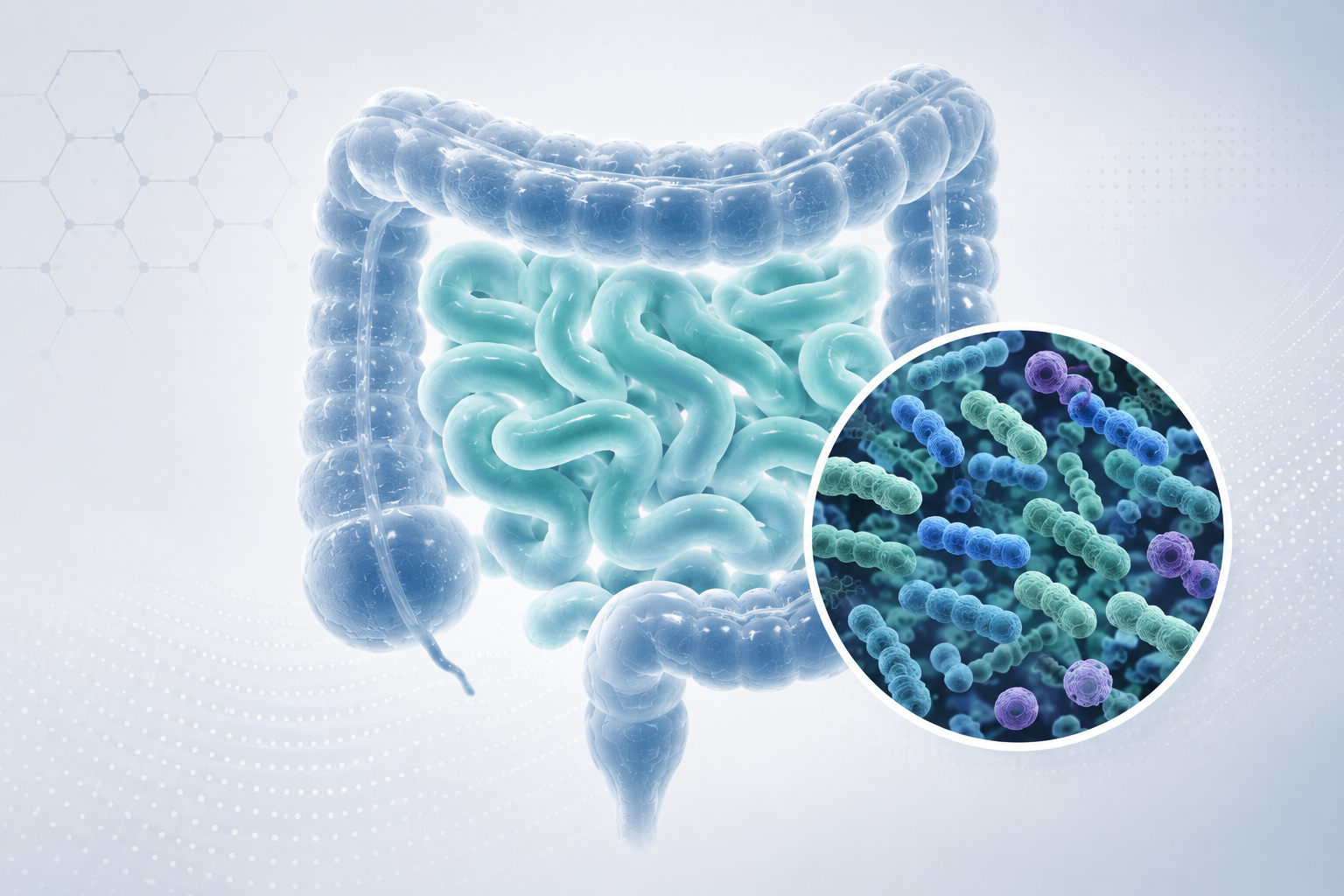
Why SIBO Keeps Coming Back: Understanding Recurrence and the Underlying Causes
SIBO often returns because treatment reduces microbial overgrowth without correcting the factors that allowed it to develop. This article explores the role of impaired motility, constipation, methane, diet, medications, mould-related illness and chronic kidney disease, and explains how I approach recurrent SIBO from an evidence-informed naturopathic perspective.
Peptides and Chronic Kidney Disease: Can They Restore Kidney Function?
Peptides are increasingly promoted as regenerative therapies for chronic kidney disease, but the evidence is still emerging. While experimental research into compounds such as Klotho-derived peptides, apelin, elamipretide and BPC-157 is scientifically interesting, there is currently little evidence that commercially available peptides can restore kidney function in humans. This article looks at the research, the limitations, and the additional risks associated with unapproved peptide products sold online.

Supplements and Herbal Medicines in Kidney Disease: Are They Safe?
When living with kidney disease, asking if a supplement is universally "safe" rarely yields a simple yes or no answer. From altered nutrient clearance in chronic kidney disease to complex drug interactions after a transplant, supplement safety depends entirely on your specific stage, current blood work, and dosages. Rather than avoiding supplements altogether or taking unverified products, discover how to evaluate what is truly appropriate for your unique kidney health journey.

Potassium and Kidney Disease: Do You Really Need a Low-Potassium Diet?
Do you really need a low-potassium diet with kidney disease? Learn when potassium restriction is necessary, why food sources matter, and how potassium-rich plant foods may benefit people with early-stage CKD.
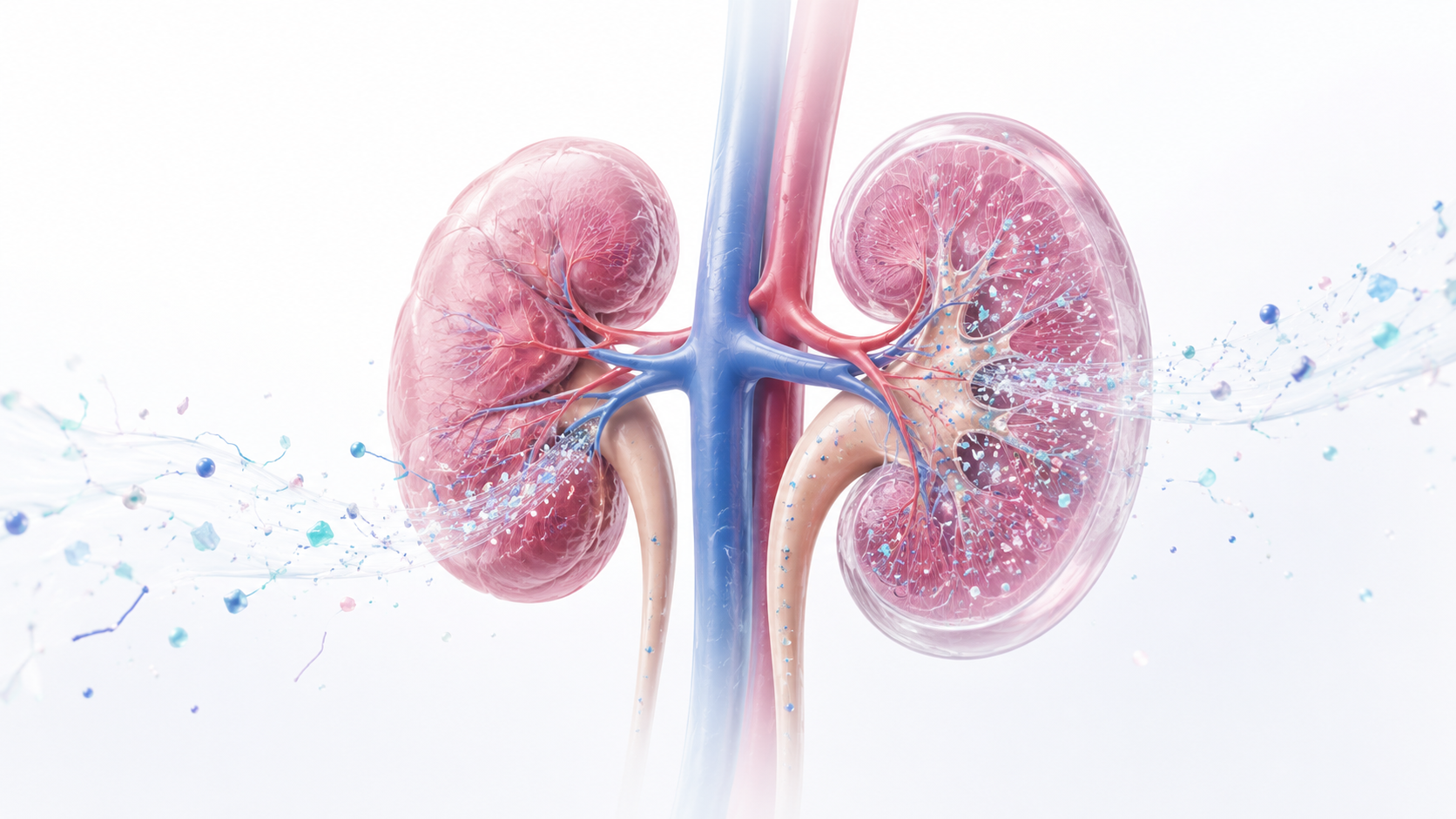
Microplastics and Kidney Disease: The Evidence So Far
Microplastics are now being detected within human kidney tissue, while emerging research suggests they may contribute to oxidative stress, inflammation and fibrosis. This article examines what the evidence currently shows about microplastics, chronic kidney disease and dialysis — and where important uncertainties remain.
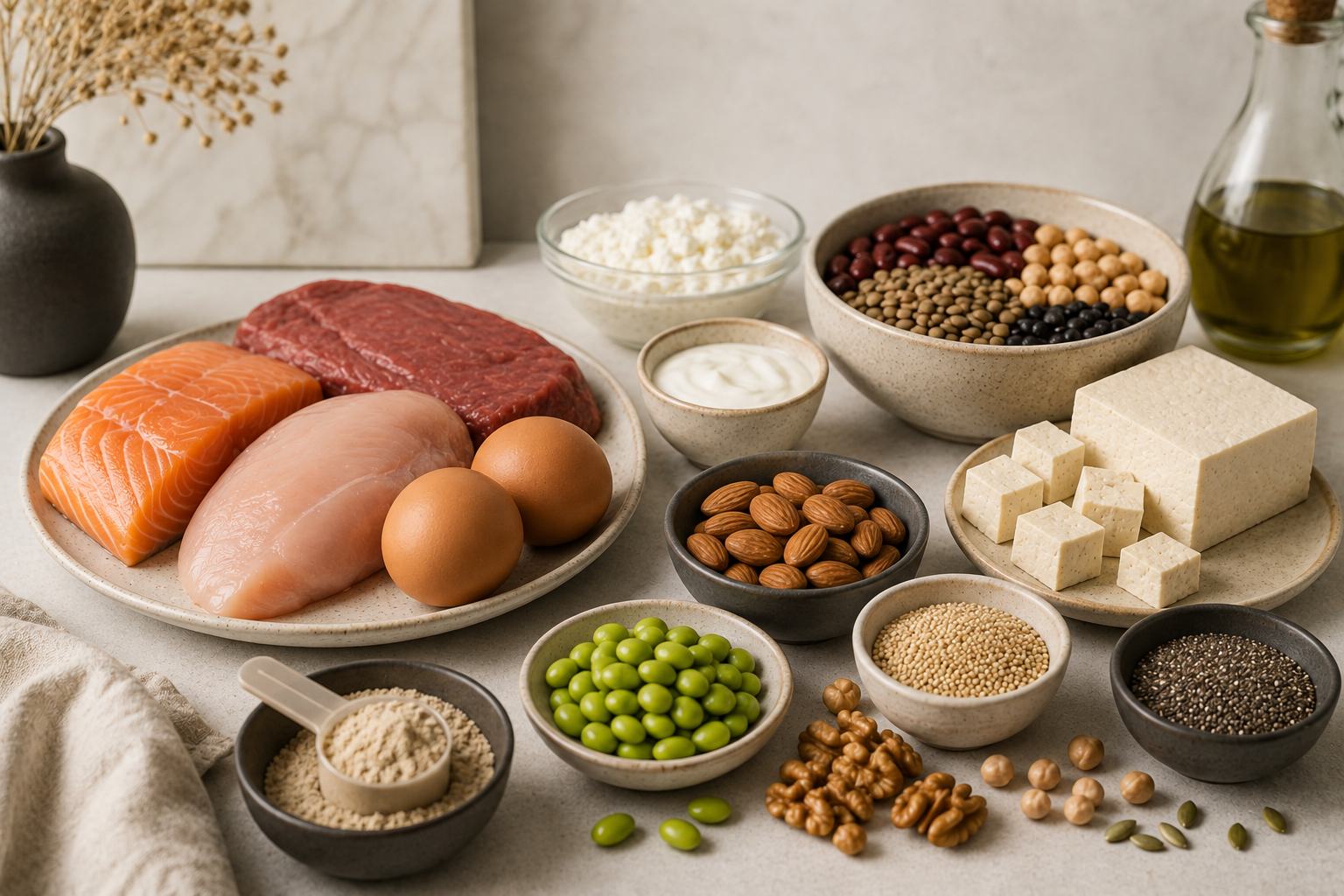
Protein and Kidney Disease: How Much Protein Do Your Kidneys Really Need?
Protein requirements change throughout the different stages of kidney disease. Learn how much protein you may need, why protein type and dietary acid load matter, and how requirements differ in early CKD, advanced kidney disease, dialysis and after kidney transplantation.

Assessing Your Home for Mould
Concerned that hidden mould or water damage in your home may be contributing to ongoing symptoms? This article explains what to look for, how ERMI and environmental testing can help, what a building assessment involves, and how findings can guide remediation..

Constipation and Kidney Disease: Why Bowel Motility Matters
Constipation is common in chronic kidney disease and becomes increasingly prevalent as kidney function declines. Research suggests the relationship may work both ways, with slower bowel transit potentially influencing gut-derived uraemic toxins, while CKD, dialysis, diet and medications can all affect bowel motility. This article explores why bowel regularity matters across CKD, dialysis and kidney transplantation.
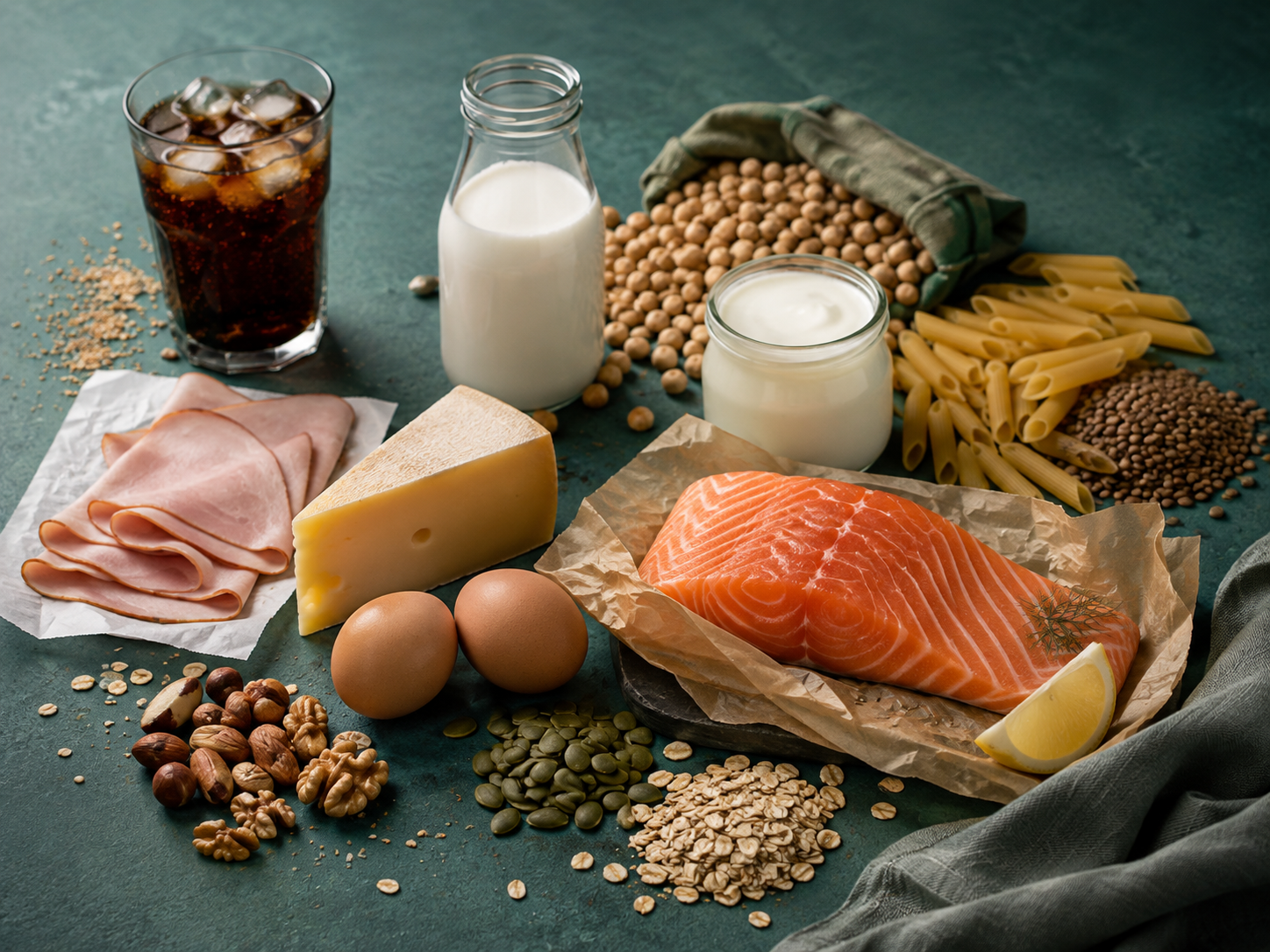
Phosphorus and Kidney Disease: Do You Really Need a Low-Phosphorus Diet?
Phosphorus management in chronic kidney disease is more complex than simply avoiding high-phosphorus foods. This article explores phosphate additives, phosphorus bioavailability, plant and animal sources, and when dietary restriction is actually needed across CKD, dialysis and transplantation.

Is Mould Exposure Making You Sick? Understanding the Spectrum of Mould-Related Illness
Mould-related illness is not a single condition. Exposure to damp or water-damaged buildings may contribute to allergic and respiratory symptoms, mast-cell activation or the broader multisystem illness associated with CIRS. Understanding the pattern of symptoms, when they began and their relationship to a particular environment can help determine whether mould exposure warrants further investigation.

What Should You Eat With Chronic Kidney Disease? Why There Is No Single ‘Kidney Diet’
A practical guide to nutrition for chronic kidney disease, including protein, potassium, phosphorus, food quality and why there is no single ‘kidney diet’. Learn why dietary recommendations should be individualised according to kidney function, blood results, medications and the underlying cause of CKD.
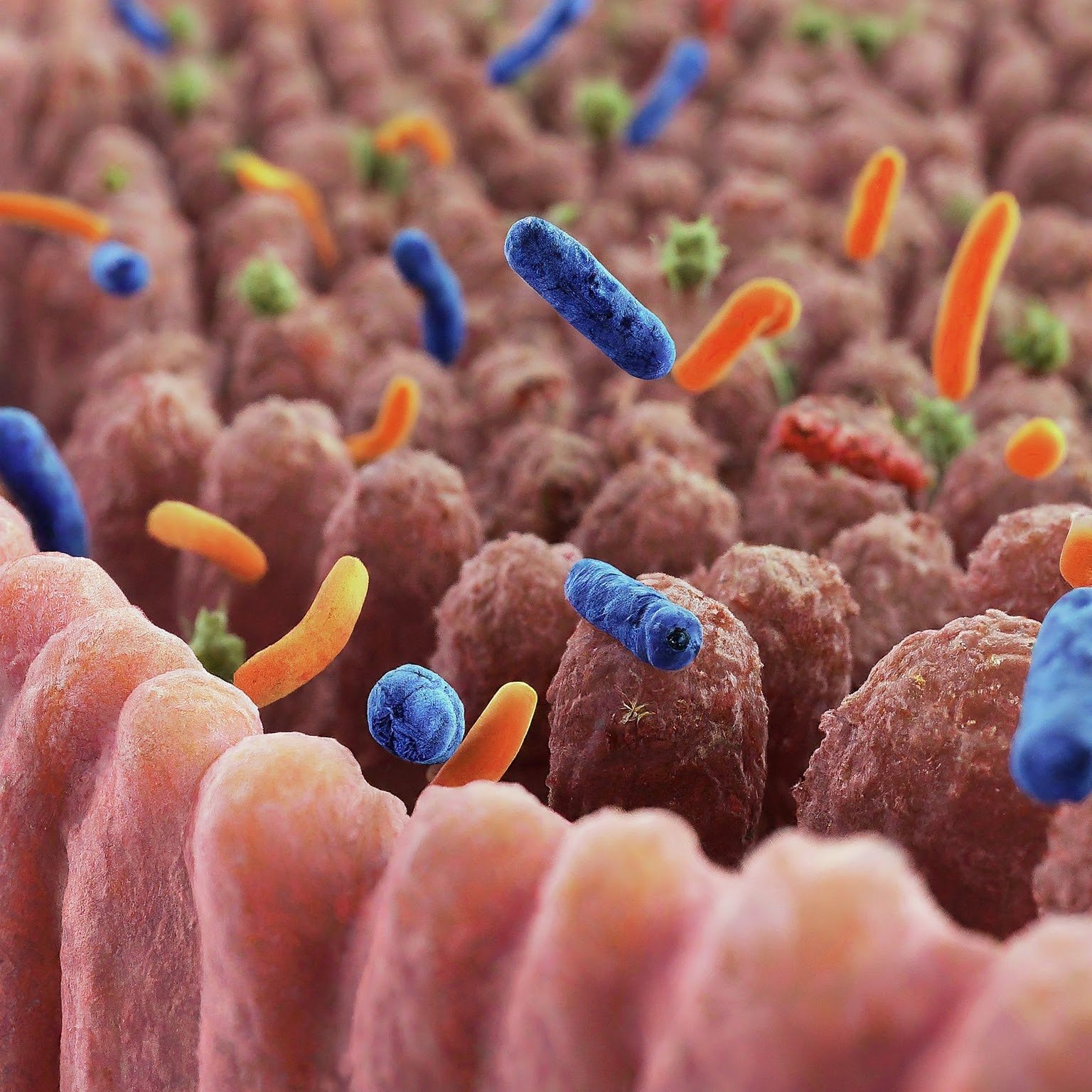
The Gut–Kidney Axis: How the Microbiome Changes Across CKD, Dialysis and Transplantation
The gut–kidney relationship changes as kidney disease progresses. This article explores how dysbiosis, inflammation, uraemic toxins, fibre and prebiotics may influence early and advanced CKD, dialysis, and the emerging role of the microbiome in kidney transplantation and graft rejection.
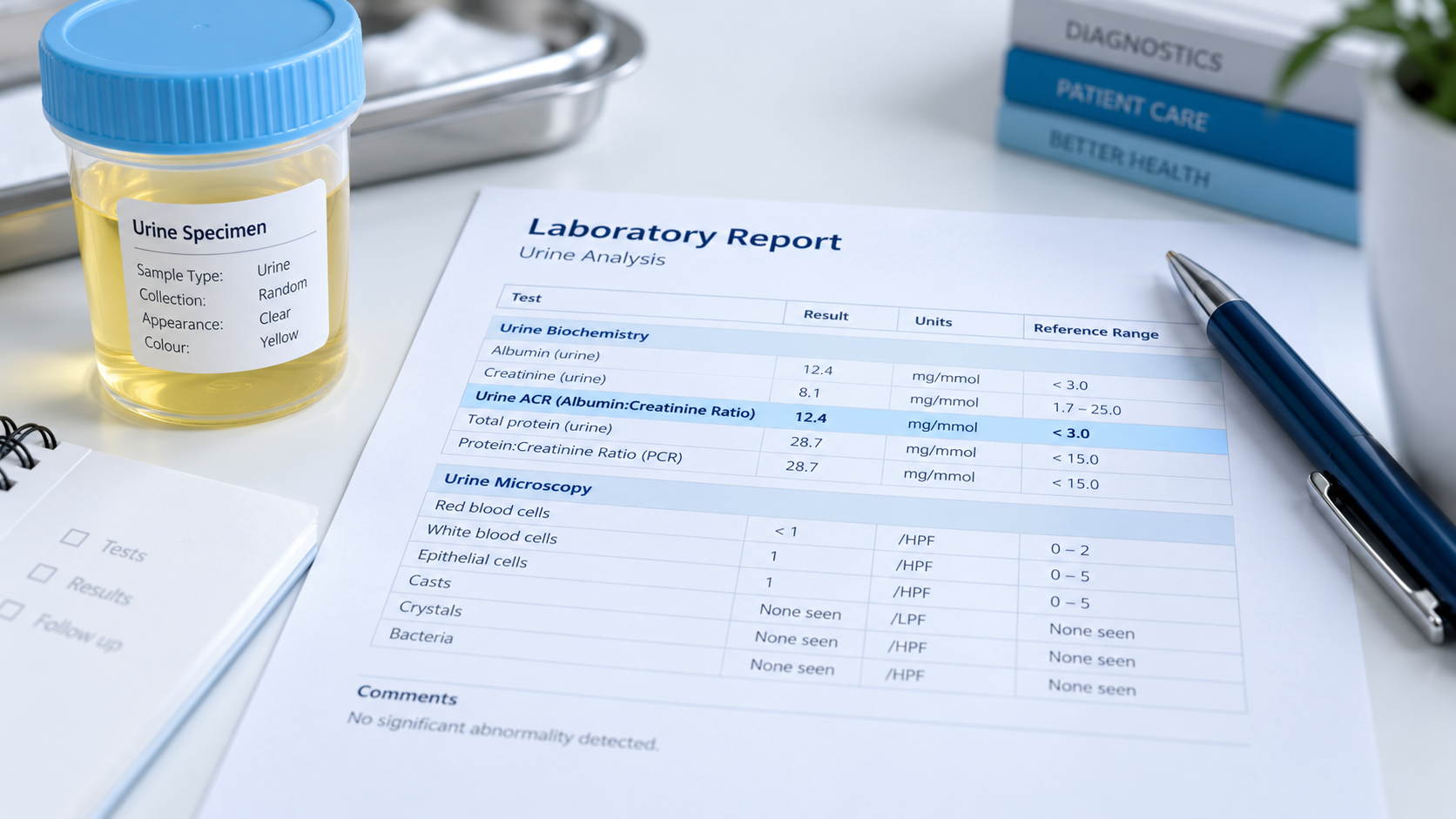
Understanding Proteinuria, Albuminuria and ACR: What Do Your Urine Kidney Results Actually Mean?
Proteinuria and albuminuria provide important information about kidney health that eGFR alone cannot show. This article explains what urine ACR and PCR results mean, why they can fluctuate between tests, how they are used to assess chronic kidney disease risk, and when changes are clinically significant.
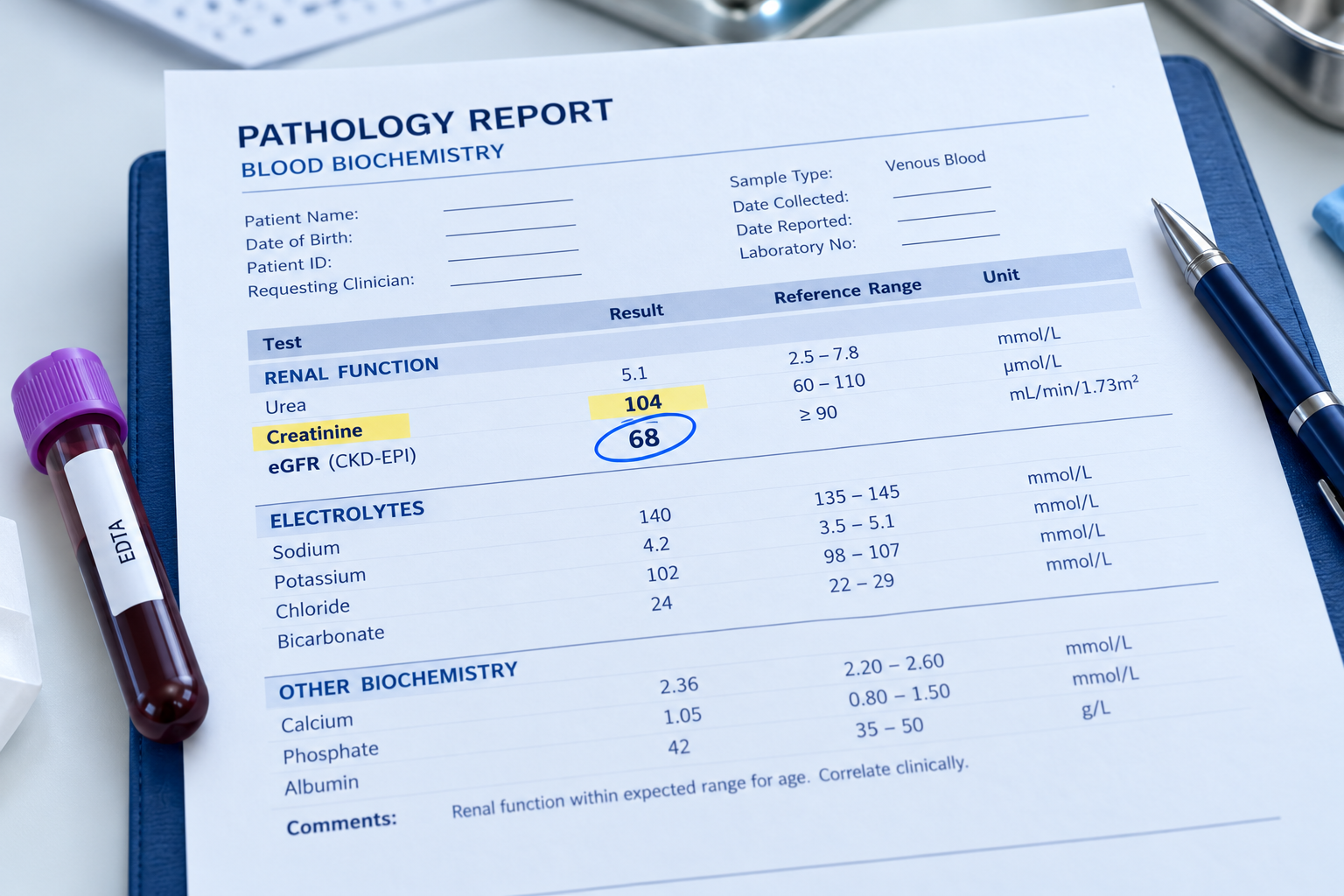
Understanding eGFR and Creatinine: What Do Your Kidney Results Actually Mean?
eGFR and creatinine are central markers of kidney function, but individual results can fluctuate for reasons that do not necessarily reflect true progression or recovery. This article explains what these tests actually measure, why hydration, exercise, muscle mass and creatine can affect results, and how to interpret kidney function more accurately over time.

The Impact of Microplastics on Gut Health: An Emerging Concern
In recent years, the intersection between environmental pollution and human health has become a focal point of scientific research. A recent article published in the World Journal of Gastroenterology, entitled “Impact of Microplastics and Nanoplastics on Liver Health: Current Understanding and Future Research Directions,” delves into a crucial aspect of this intersection – the interaction between microplastics (MPs) and gut microbiota.